
Most growth advice assumes you have one customer. Find them, understand them, build a funnel that speaks to them, scale the spend. That model works right up until you are running a marketplace, at which point it quietly falls apart.
A marketplace has two customers. They want different things, they evaluate you against different criteria, and neither will stay if the other is missing. You cannot sequence them either. Recruit all your supply first and it churns out while you go looking for demand. Build demand first and you have people arriving to an empty shelf.
Why one campaign never
On AskAVet, a veterinary telehealth marketplace, the two sides were about as far apart as two audiences get. Here is what each was actually weighing up:
| Veterinarians were asking | Pet owners were asking |
|---|---|
| Is this professionally credible? | Can I trust this with my pet? |
| How is licensing verified? | How quickly can I speak to someone? |
| What does this pay? | What does this cost? |
| Will the platform be reliable? | Is this easier than a clinic visit? |
There is no clever piece of copy that answers both columns at once. Every attempt to write one produces a message so general it persuades nobody. So we stopped trying, and ran two independent growth systems against a shared platform.
The supply side is a problem
This is the part most marketplace teams get wrong. They treat provider acquisition as marketing when it is closer to recruitment. The person you are targeting already has a job. You are asking them to take on additional professional risk, and no discount code makes that decision easier.
For veterinarians, LinkedIn carried it, because that is where professional identity already lives. The messaging leaned on four things:
- Flexible income without leaving their existing practice.
- Growing telehealth demand, framed as a shift already underway rather than a bet.
- Professional independence and control over their own hours.
- A verified practitioner network, so joining signalled quality rather than desperation.
Sponsored content did the reach. Direct outreach, veterinary communities, industry partnerships and referral incentives did the convincing, because professionals trust other professionals well before they trust an ad.
Onboarding is part of the funnel. Credential verification and licensing validation are where provider signups quietly die. Every extra step costs you supply you already paid to acquire.
The demand side is a problem
Pet owners needed an entirely different journey. Nobody hands over their animal's health to a website because the pricing is keen. The messaging led with instant access to advice, affordable consultations, convenience, licensed professionals, and not having to drag a distressed animal into a clinic.
The creative mix reflected that trust is earned, not claimed:
- Short-form educational video that answered real pet health questions before asking for anything.
- Customer testimonials, which do the work no brand-owned copy can.
- Pet health awareness campaigns to widen the top of the funnel.
- Benefit-led image ads for the people already ready to act.
Two funnels,
Written out, the two paths share almost nothing:
| Stage | Veterinarian | Pet owner |
|---|---|---|
| Entry | LinkedIn ad | Social ad |
| Step two | Application landing page | Free trial |
| Step three | Credential verification | First consultation |
| Conversion | Platform onboarding | Subscription |
| Retention | Active provider | Retention campaigns |
Retargeting was split the same way. Separate pools for website visitors, landing page abandoners, video viewers, trial users and email subscribers, each getting messaging that answered the specific objection that stage tends to produce. A vet who abandoned the application form needs reassurance about verification. A pet owner who watched three videos and never started a trial needs a reason to act today. Same budget, entirely different job.
What it
| Metric | Result |
|---|---|
| Veterinarians onboarded | 3,000+ |
| Time to reach liquidity | 120 days |
| Paying subscribers | 9,000+ |
| Trial to paid conversion | 43.92% |
| Customer acquisition cost | $42.70 |
| Monthly recurring revenue | $154K+ / month |
What actually
If you are running a marketplace, or anything with two audiences that depend on each other, three things from this are worth stealing:
- Budget the two sides separately. One pooled budget always gets pulled toward whichever side reports better short-term numbers, which is usually demand. That is how supply quietly starves.
- Measure liquidity, not volume. Providers with no bookings and customers with no available providers both look like growth in a dashboard and feel like failure to the user.
- Treat onboarding as acquisition. On the supply side especially, the verification flow is not operations. It is the last third of your funnel.
The wider lesson is about LinkedIn. It gets filed under B2B lead generation and left there, but it is genuinely the strongest channel available for recruiting credentialed professionals at scale, because it is the one place where people's professional credentials are the thing they are already presenting.
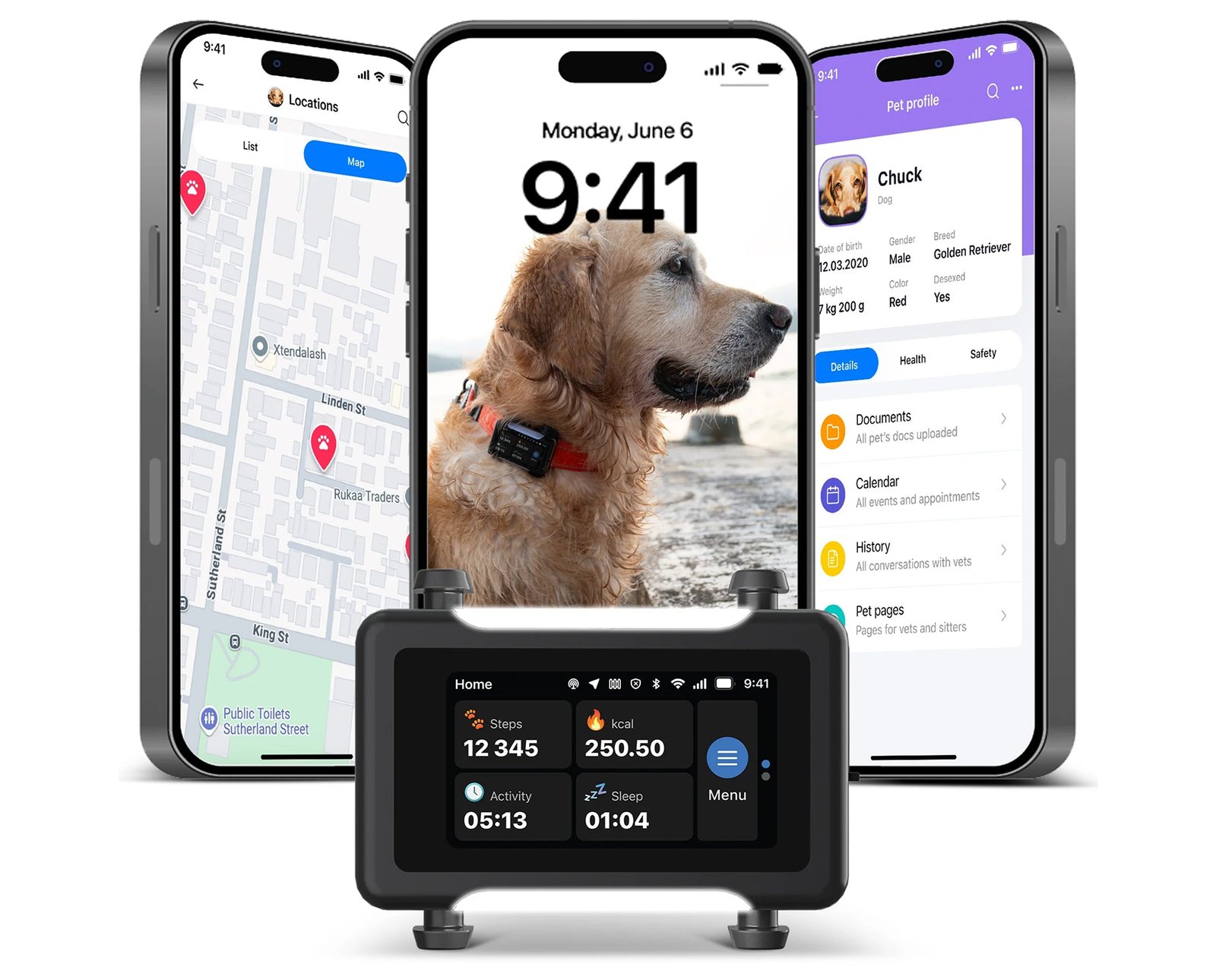
AskAVet — Parallel supply and demand systems took a veterinary telehealth marketplace to 3,000+ vets, 9,000+ subscribers and $154K+ MRR.
Read the full AskAVet case study