
Adding a sales channel feels like adding revenue. Sometimes it is. Often it is adding a second business with its own margin structure, its own content requirements and its own way of punishing you for treating it like the first one.
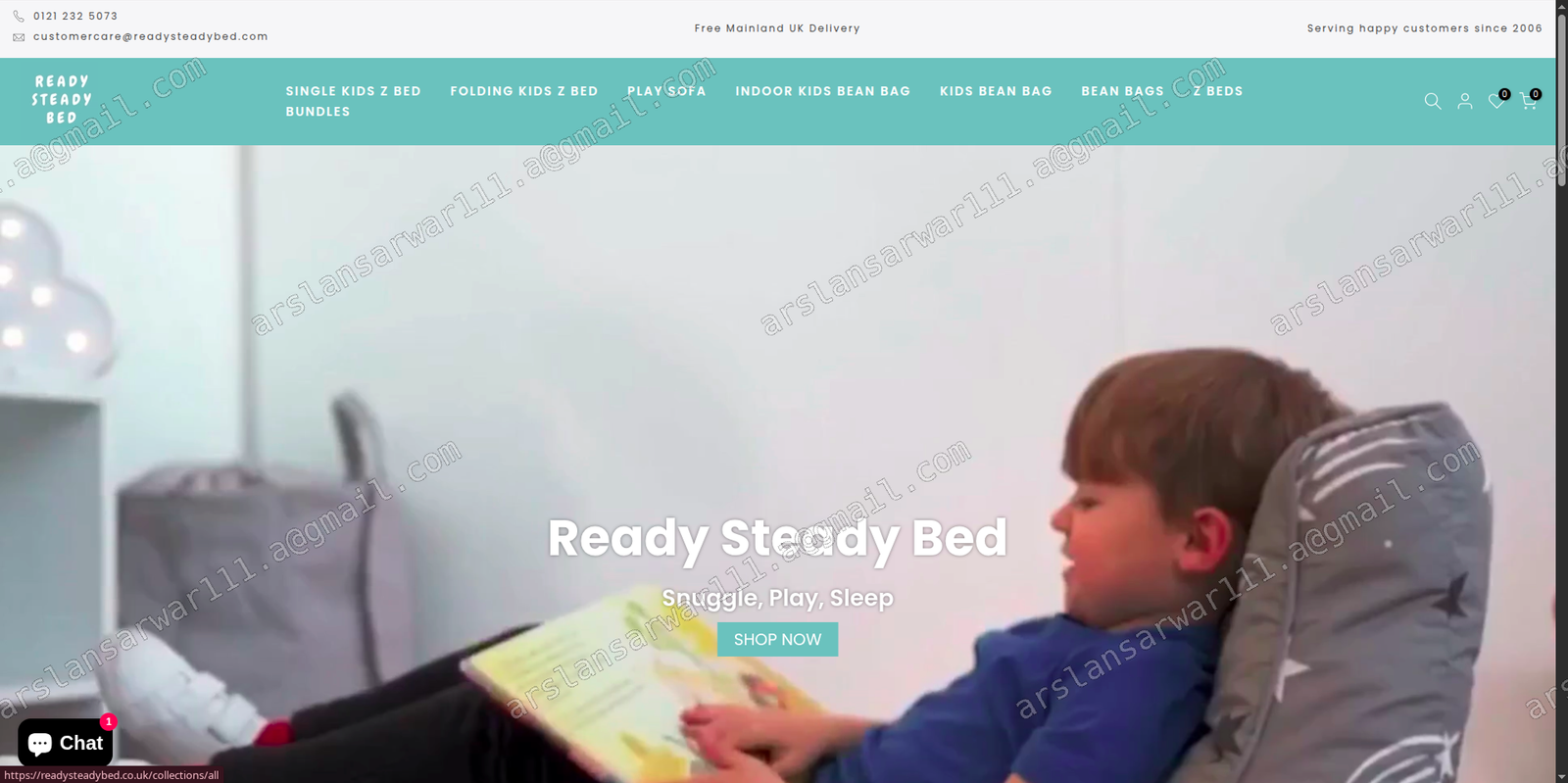
Ready Steady Bed ran Amazon, TikTok Shop and Google Ads together to £671,750 in aggregated sales across 15,043+ orders. Game Over ran a similar spread to £704,477 at a 4.59x ROAS across 10,124+ orders. In both cases the win came from running the channels as one system rather than three.
The three channels want
| Amazon | TikTok Shop | Own store | |
|---|---|---|---|
| Shopper intent | Already buying | Not shopping at all | Chose you specifically |
| What wins | Listing and reviews | Native video | Brand and offer |
| You own the customer | No | No | Yes |
| Margin | Lowest | Middle | Highest |
Read that table and the strategy writes itself. Amazon is where you capture demand that already exists. TikTok Shop is where you manufacture demand that did not. Your own store is where you make actual money and keep the customer relationship. Each is doing a different job, so each needs a different definition of success.
One catalogue, one
The failure mode is a customer seeing three different prices and three different product names for the same item within about ninety seconds. That does not read as flexible pricing, it reads as untrustworthy.
What needs to be shared across channels:
- Product naming and imagery, so the thing is recognisably the same thing.
- A deliberate price architecture. Prices can differ, but the differences should be explainable by bundle, quantity or channel-specific delivery, never arbitrary.
- Live inventory. Selling stock you do not have on a marketplace costs you seller metrics, not just a refund.
- Review and question content, because the objections raised on Amazon are the objections your Shopify product page should already be answering.
Marketplace reviews are the cheapest customer research available to you. Everything buyers complain about on Amazon belongs in your own store's copy, ads and FAQ.
Judge the channels on the
Holding all three to the same ROAS target is the most common and most expensive mistake here. TikTok Shop is reaching people who were not looking for you and will frequently lose on last-click while lifting branded search and direct traffic days later. Cut it on its own reported ROAS and you often watch your cheapest channel get more expensive for no visible reason.
What worked better:
- Amazon on contribution margin after fees, and on organic rank for the terms that matter.
- TikTok Shop on new customer acquisition and on its effect on branded search volume.
- Own store on blended ROAS and repeat purchase rate.
- Everything together on aggregated revenue and total contribution, which is the number that actually pays for the business.
That last one is why the Ready Steady Bed figure is quoted as aggregated sales. Per-channel reporting on an omnichannel business systematically undercounts whichever channel is doing the introducing.
Sequencing, if you are
- Get the store profitable first. Marketplaces will not fix bad unit economics, they will expose them at lower margin.
- Add Amazon next if there is existing search demand for your category. Listing quality and reviews are the whole game.
- Add TikTok Shop only when you can produce native video consistently. It is a content channel with a checkout attached, and it punishes repurposed ads.
- Then connect them with shared inventory, a coherent price architecture, and reporting that rolls up rather than competing.
Channels do not compound automatically. Run separately they mostly split your attention. Run as one system, each one makes the others cheaper.
Ready Steady Bed — Amazon, TikTok Shop and P-Max scaling delivered £671,750 in aggregated sales across 15,043+ orders.
Read the full Ready Steady Bed case study